E-mail Us


Are Dental Veneers a Permanent Solution? What Patients Should Know
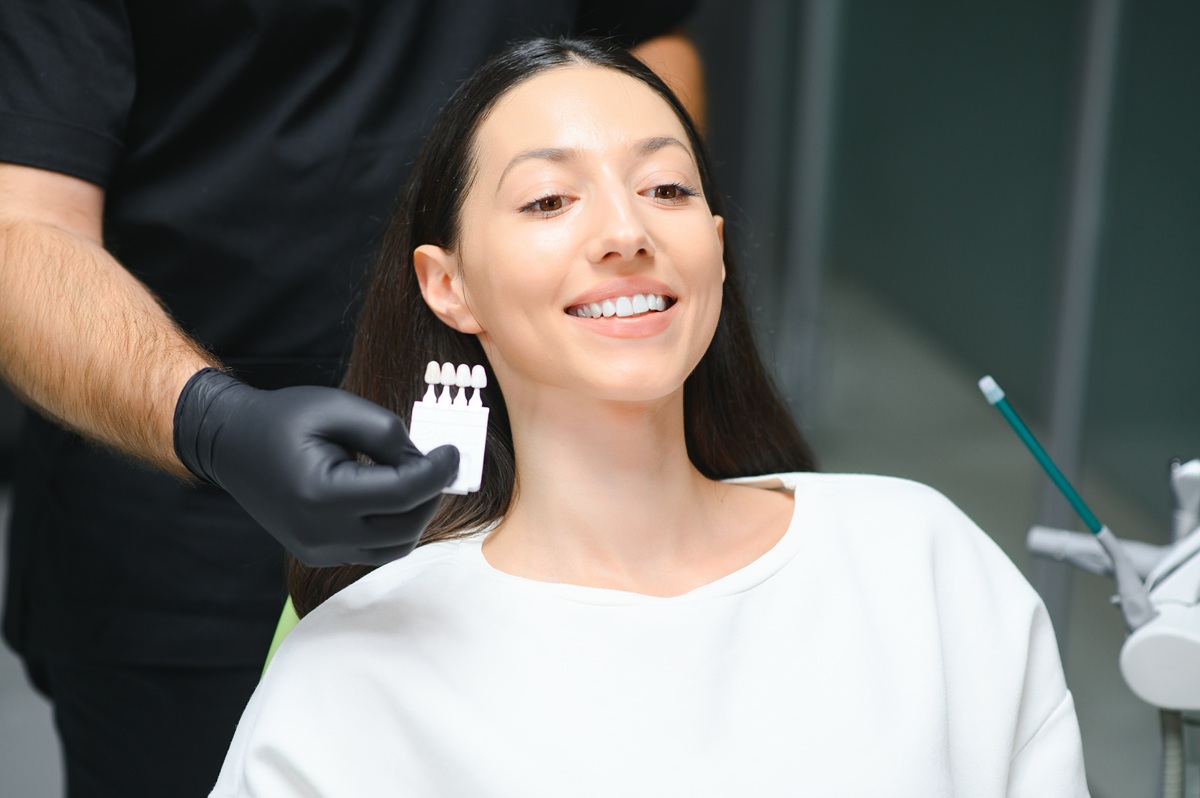
If you’ve been thinking about improving your smile, chances are you’ve come across dental veneers. They’re one of the most popular cosmetic dentistry treatments today—especially for people looking to fix chips, stains, gaps, or uneven teeth quickly and beautifully.
But one question comes up again and again:
Are dental veneers permanent?
The short answer is: they are long-lasting, but not truly permanent.
Let’s break it down in simple terms so you know exactly what to expect before making a decision.
What Are Dental Veneers?
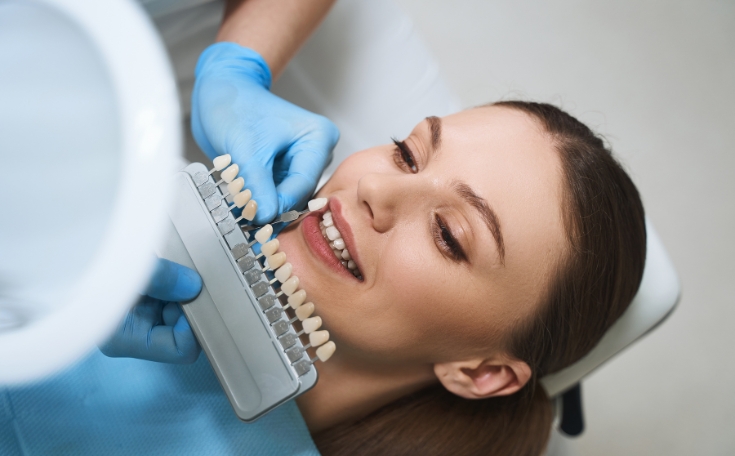
Dental veneers are thin, custom-made shells placed on the front surface of your teeth. They’re designed to improve the appearance of your smile while maintaining a natural look.
Most veneers are made from porcelain or composite resin, with porcelain being the more durable and stain-resistant option.
People in and around Upland often choose veneers to correct:
- Stained or discolored teeth that don’t respond to whitening
- Chipped or cracked teeth
- Small gaps between teeth
- Slightly crooked or uneven teeth
- Worn-down enamel
Veneers can completely transform a smile in just a few visits, which is why they’ve become so popular in cosmetic dentistry.
Are Dental Veneers Permanent?
Here’s the truth most patients don’t hear clearly at first:
Veneers are not permanent—but they are irreversible.
Why? Because to place veneers, a small amount of enamel is usually removed from the tooth surface. This step ensures the veneer fits naturally and doesn’t look bulky.
Once enamel is removed, it does not grow back. That means:
- You will always need some form of restoration on that tooth moving forward
- Veneers will eventually need replacement after years of use
So while veneers themselves don’t last forever, the decision to get them is considered a long-term commitment.
How Long Do Dental Veneers Last?
With proper care, veneers can last a long time:
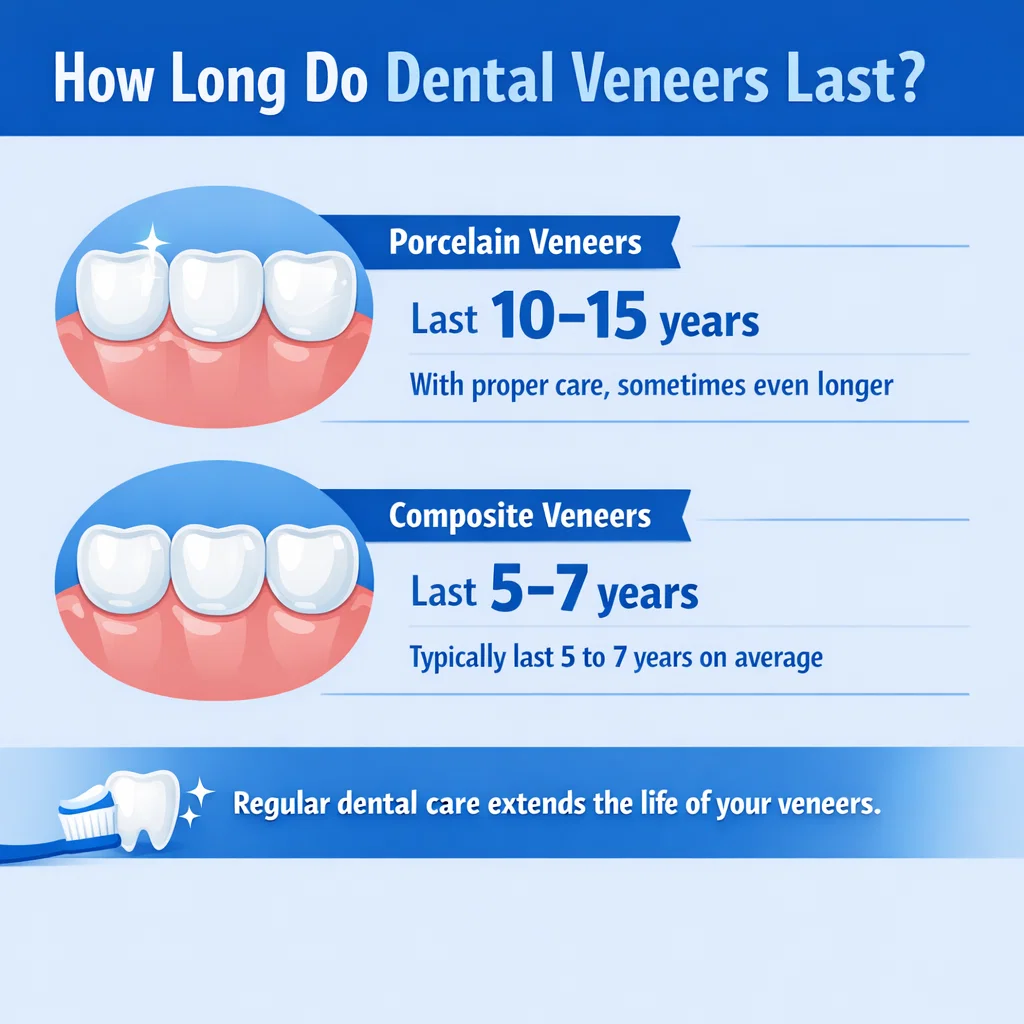
- Porcelain veneers: 10–15 years (sometimes even longer)
- Composite veneers: 5–7 years on average
Their lifespan depends on:
- Oral hygiene habits
- Teeth grinding or clenching
- Diet and lifestyle choices
- Regular dental checkups
Patients at often find that with consistent care, their veneers stay strong and beautiful for well over a decade.
Benefits of Dental Veneers
Veneers are popular for a reason—they offer both cosmetic and confidence-boosting benefits.
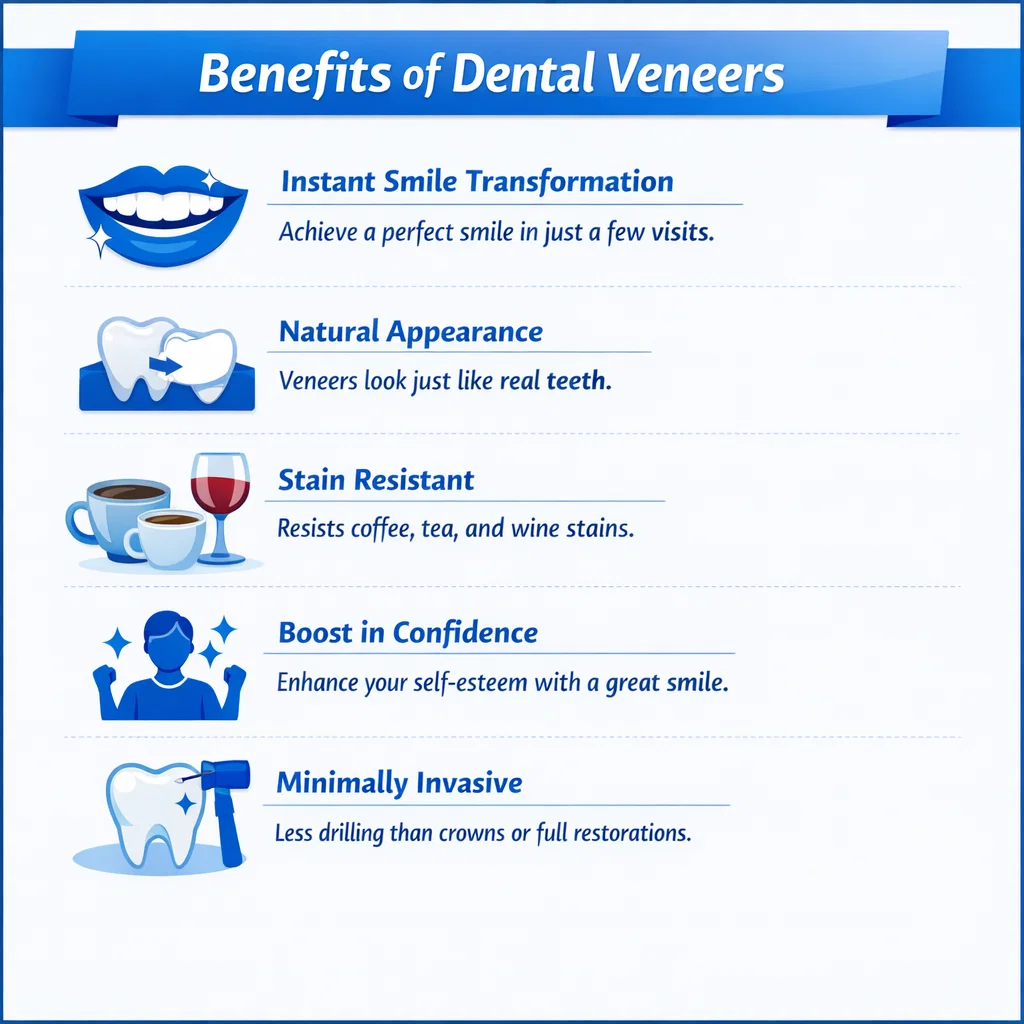
1. Instant Smile Transformation
You don’t have to wait months for results. Veneers can dramatically improve your smile in just a few appointments.
2. Natural Appearance
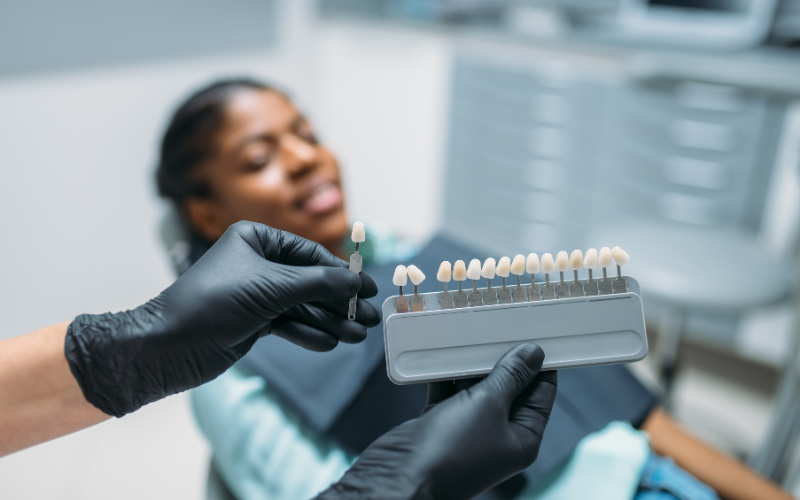
Modern veneers are designed to match the color and shape of your natural teeth, so they don’t look artificial.
3. Stain Resistance
Porcelain veneers resist stains from coffee, tea, and everyday foods better than natural enamel.
4. Boost in Confidence
A better smile often leads to better self-esteem in social and professional situations.
5. Minimally Invasive Compared to Other Options
While enamel removal is required, veneers are still less invasive than crowns or full restorations.
Things to Consider Before Getting Veneers
Before committing, it’s important to understand what veneers involve. Here are a few honest points to think about:
- They are not reversible
- Replacement will eventually be needed
- They require good oral hygiene habits
- They may not be suitable for severely damaged teeth
If you grind your teeth at night, your dentist may recommend a night guard to protect your veneers.
Are Veneers Worth It?
For many patients, the answer is yes.
Veneers are worth it if you want:
- A long-lasting cosmetic improvement
- A whiter, more even smile
- A solution that looks natural but makes a big difference
However, they are not a “quick fix” you can undo later. Think of them as a long-term investment in your smile.
Veneers vs Other Cosmetic Options
If you’re unsure about veneers, here’s how they compare:
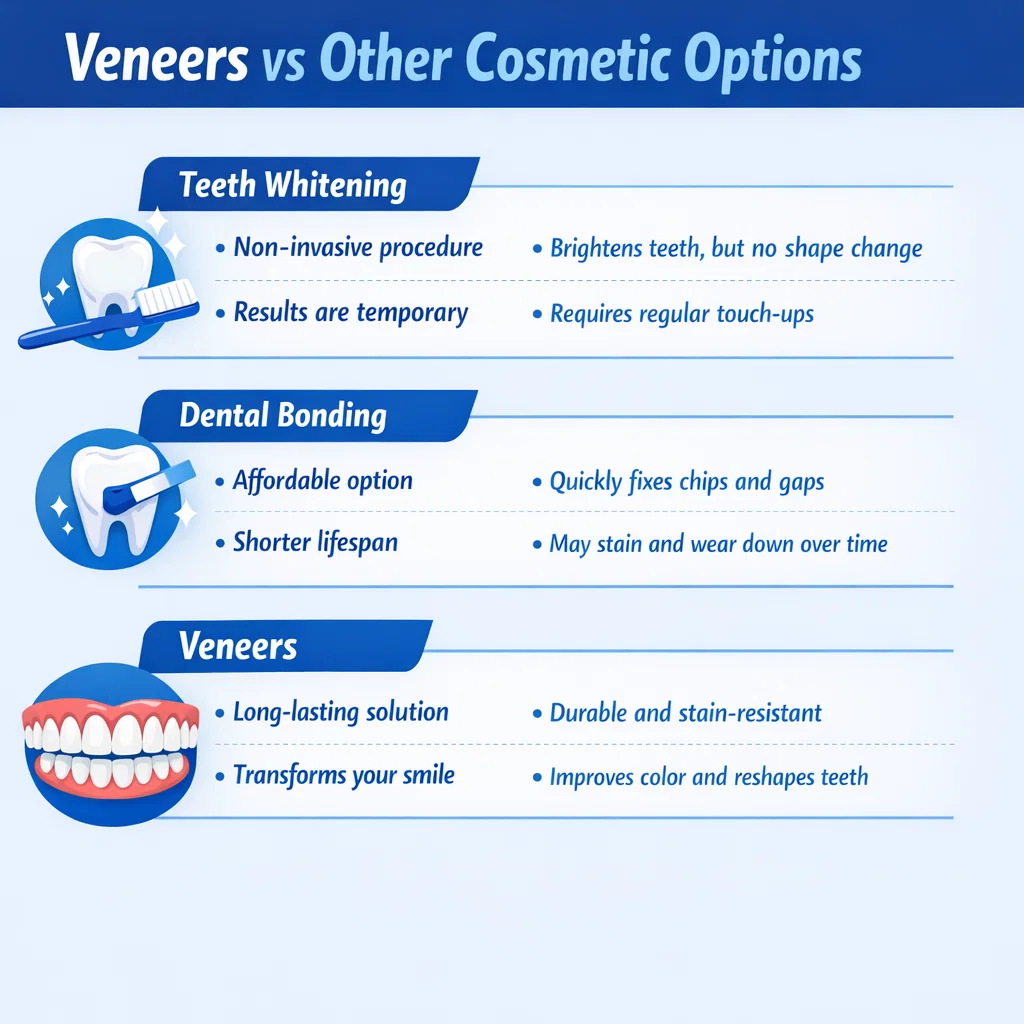
Teeth Whitening
- Non-invasive
- Temporary results
- Only improves color, not shape
Dental Bonding
- Less expensive
- Shorter lifespan
- More prone to staining
Veneers
- Long-lasting
- Best cosmetic results
- Covers both color and shape issues
Your dentist can help you decide what works best based on your goals and budget.
Life After Getting Veneers
After your veneers are placed, caring for them is simple but important:
Daily Care Tips:
- Brush twice a day with a soft toothbrush
- Floss daily
- Avoid biting hard objects like ice or pens
- Limit stain-causing drinks like red wine and coffee
- Visit your dentist regularly
Good habits can significantly extend the life of your veneers and keep your smile looking fresh for years.
Final Thoughts: Is It the Right Choice for You?
Dental veneers are one of the most effective ways to transform your smile—but they come with a long-term commitment. While they aren’t permanent, they are durable, reliable, and can last over a decade with proper care.
If you’re considering improving your smile and want expert guidance, the best next step is a consultation.
At Young Dental Health Center Upland, our team is here to help you explore your options and create a smile you feel confident showing every day.
Book your appointment today and take the first step toward a brighter, more confident smile.
Frequently Asked Questions (FAQs)
1. Are veneers permanent?
No, veneers are not permanent, but they are long-lasting. They usually need replacement after 10–15 years.
2. Do veneers damage your natural teeth?
A small amount of enamel is removed, which makes the process irreversible. However, it does not “damage” the tooth when done properly.
3. Can veneers fall off?
It’s rare, but possible if the bonding weakens or if excessive force is applied. Regular dental care reduces this risk.
4. Can I whiten my veneers later?
No, veneers do not respond to whitening treatments. If they discolor or age, they may need replacement.
5. Are veneers painful to get?
Most patients experience minimal discomfort. Local anesthesia is used during the preparation stage.