E-mail Us


Crowns vs. Veneers: Why Your Dentist Might Recommend One Over the Other
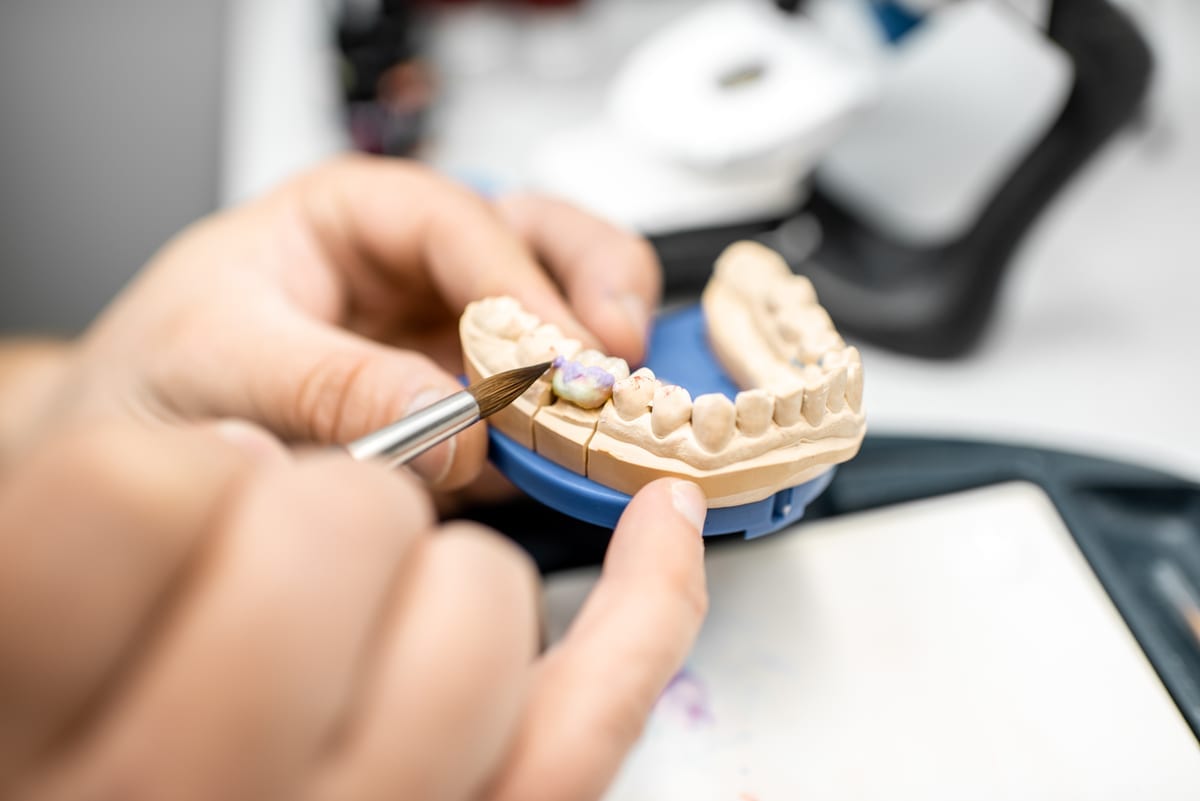
If your dentist in Upland has ever mentioned both crowns and veneers in the same conversation, you may have wondered what the difference really is. Understanding crowns vs. veneers — and why your dentist might recommend one over the other in Upland — can help you feel confident in your treatment plan. Both are popular restorations in Cosmetic Dentistry Upland, but they serve very different clinical purposes. At Young Dental Health Center Upland, Dr. Clifford Young helps patients understand exactly why each option is chosen.
What Is the Core Difference Between Crowns and Veneers?
A dental crown covers the entire visible tooth above the gum line. A veneer covers only the front-facing surface of a tooth. That single difference drives almost every clinical decision between the two options.
Crowns are typically thicker and more durable. They require more tooth preparation because a significant portion of the natural tooth structure is removed. Veneers are thinner — often less than a millimeter — and preserve much more of the original tooth.
Think of a crown as a full cap and a veneer as a thin shell. Both can dramatically improve appearance, but their structural roles are quite different. This is why Dr. Young always evaluates function and aesthetics together before recommending either option.
When a Crown Is the Clinically Correct Choice
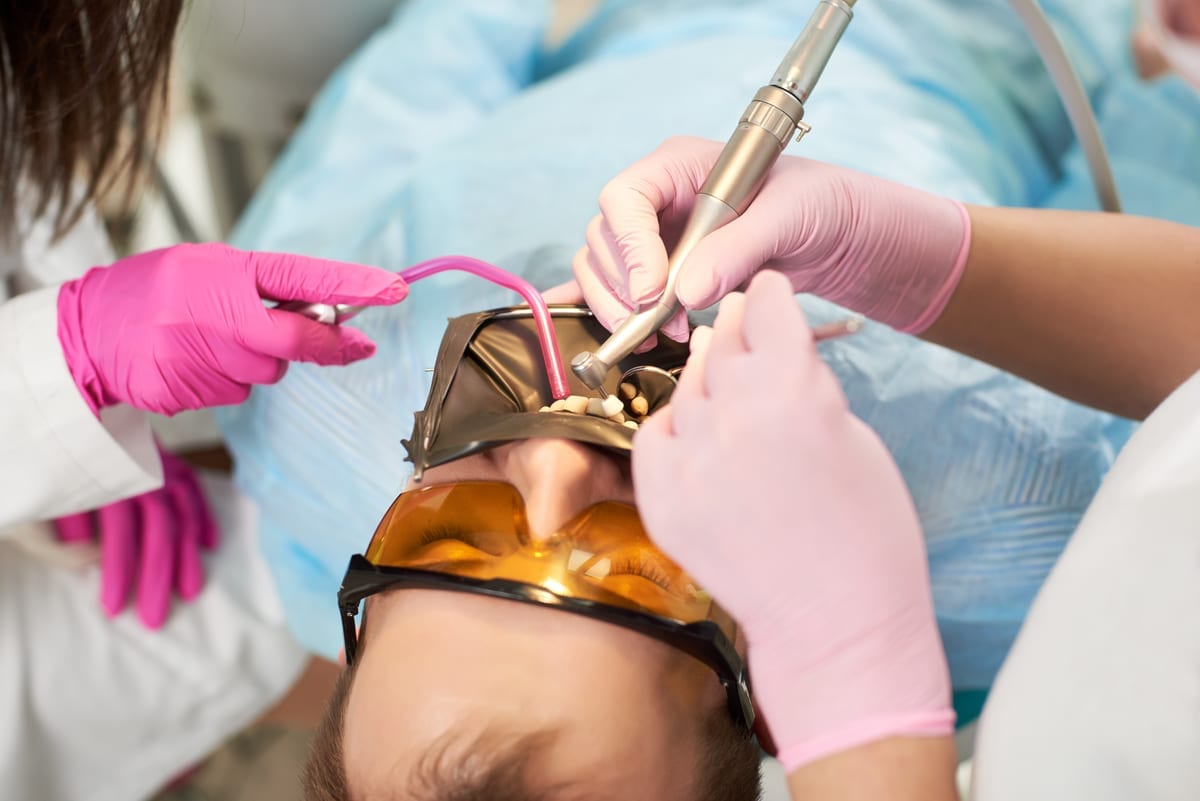
Your dentist will typically recommend a crown when a tooth is structurally compromised. This includes teeth that have been cracked, severely decayed, or broken. A veneer simply cannot restore structural integrity — it sits on the surface and does not reinforce the tooth underneath.
Crowns are also required after a root canal treatment. The procedure weakens the tooth significantly, and a crown protects it from fracturing under biting pressure. Without a crown, a root canal-treated tooth is at much higher risk of breaking.
Here are the most common clinical situations where a crown is the right recommendation:
- Large cavities that cannot be filled with a standard restoration
- Cracked or fractured teeth that risk splitting further
- Teeth that have undergone root canal therapy
- Teeth that are severely worn down from grinding
- Teeth that anchor a dental bridge
In each of these cases, the tooth needs full circumferential coverage to function safely. A veneer would not provide that level of protection.
When a Veneer Is the Better Option in Upland
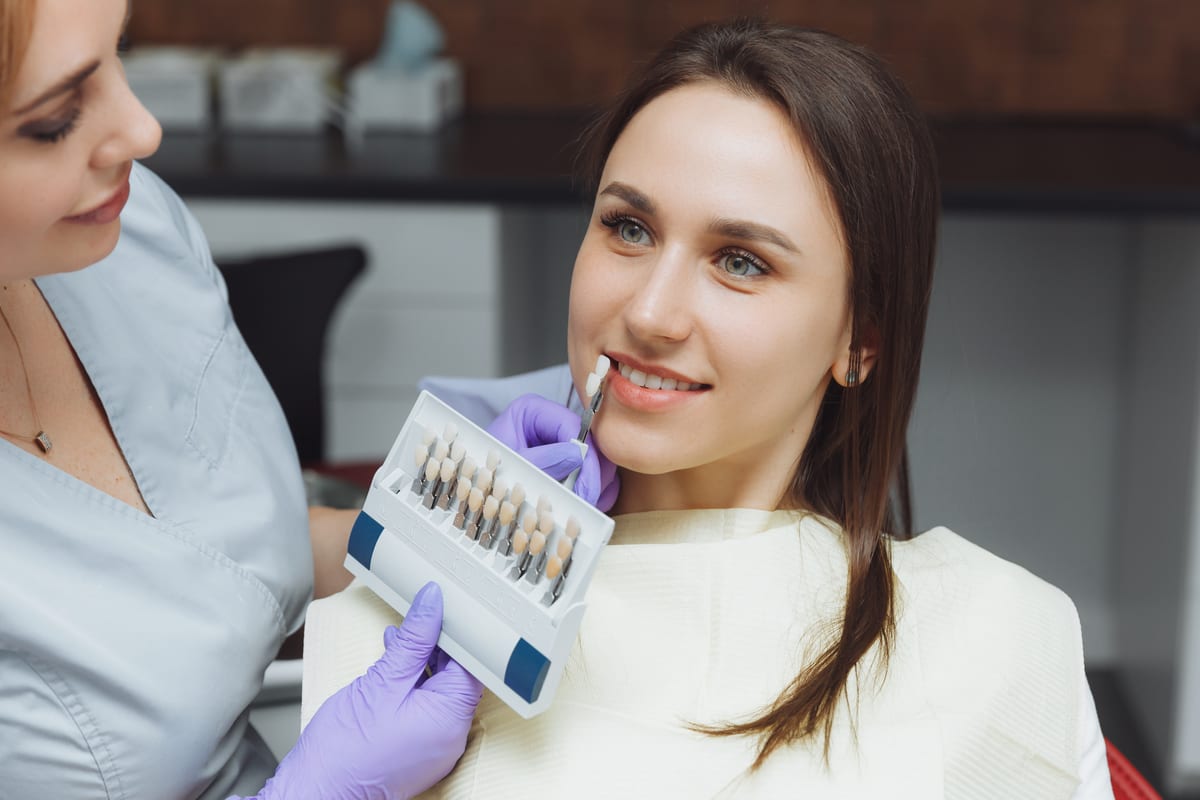
Veneers are a better fit when the underlying tooth is structurally healthy. If you want to change the color, shape, or size of a tooth that is otherwise strong, a veneer is the more conservative choice. It removes less tooth structure and achieves a beautiful cosmetic result.
Common reasons Dr. Young recommends veneers include:
- Permanent staining that does not respond to teeth whitening
- Slightly chipped or worn edges on front teeth
- Minor gaps or spacing issues between teeth
- Teeth that are naturally small or misshapen
- Uneven or irregular tooth surfaces on visible front teeth
Veneers work best on front teeth that do not absorb heavy chewing forces. The back molars take most of the bite pressure, which is why veneers are rarely placed there. The front six to eight teeth are the ideal candidates for this type of restoration.
It is also worth noting that veneers are irreversible. Once enamel is removed for veneer placement, the tooth will always need a veneer or crown. Dr. Young takes this seriously and discusses it openly with every patient before proceeding.
How Dr. Young Evaluates Which Restoration You Need
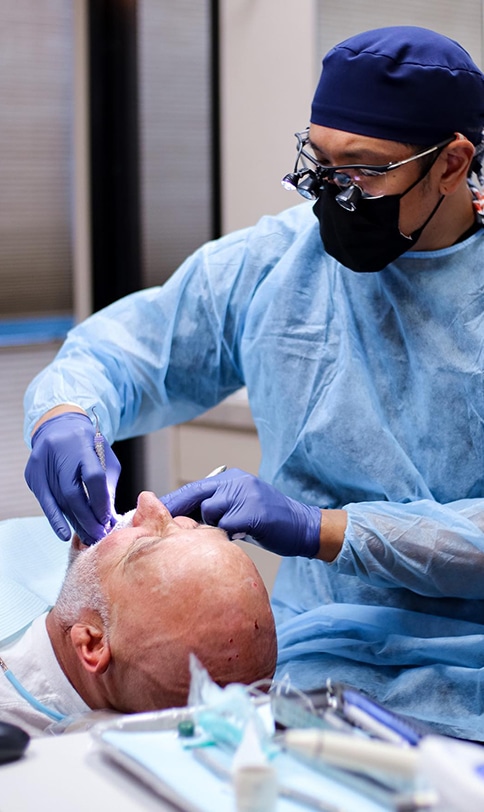
At Young Dental Health Center Upland, no two cases are treated the same. Dr. Young uses a combination of clinical examination, dental X-rays, and a review of your symptoms to make a recommendation. The decision is never based on appearance alone.
He evaluates several key factors during your consultation:
- Tooth structure remaining: How much healthy natural tooth is still present?
- Bite forces: Is this a tooth that endures heavy chewing pressure?
- Existing damage: Are there cracks, decay, or previous large fillings?
- Cosmetic goals: What outcome does the patient want?
- Long-term durability: Which option will last longer for this specific patient?
If a tooth can be safely treated with a veneer, Dr. Young will say so. If a crown is necessary to protect the tooth, he will explain exactly why. His goal is always to give patients the most conservative option that still meets their clinical and aesthetic needs.
What Happens If You Need Emergency Care First
Sometimes patients come in with a cracked or severely damaged tooth that needs immediate attention. In those situations, the cosmetic decision comes second to protecting the tooth. If you are dealing with sudden tooth pain or trauma, Emergency Dentistry Upland at our practice can address the urgent issue first. From there, Dr. Young can walk you through your restoration options once the tooth is stable.
A dental emergency does not automatically mean you will need a crown, but it does mean the tooth needs proper evaluation right away. Acting quickly gives you more options and a better long-term outcome.
Making the Right Choice for Your Smile in Upland
The choice between crowns and veneers is not a matter of preference — it is a matter of clinical need. Dr. Clifford Young at Young Dental Health Center Upland takes time to explain the reasoning behind every recommendation. You deserve to understand your treatment, not just accept it.
Whether your tooth needs the full protection of a crown or the refined finish of a veneer, the goal is the same: a healthy, confident smile that lasts. Patients in Upland trust Dr. Young because he focuses on what is right for the tooth — not just what looks good on the surface.
If you have questions about your options or want to find out which restoration is right for you, our team is here to help. Book Now to schedule your appointment with our team.
Frequently Asked Questions
Can a veneer be placed on a damaged tooth?
Generally, no. Veneers are designed for cosmetic improvement on structurally sound teeth. If a tooth has significant decay, cracks, or damage, a crown is typically the appropriate restoration. Dr. Young will assess the tooth carefully before making any recommendation.
Do crowns look as natural as veneers?
Yes. Modern dental crowns are made from high-quality porcelain or ceramic materials that closely match natural tooth color and translucency. In many cases, it is difficult to distinguish a well-made crown from a natural tooth. Both crowns and veneers can deliver excellent aesthetic results.
Is one option more painful than the other?
Neither procedure should be painful during treatment because local anesthesia is used in both cases. Crowns require more tooth preparation, so some patients experience mild sensitivity afterward. Dr. Young and his team take every step to ensure your comfort throughout the process.
How long do crowns and veneers last?
With proper care, dental crowns typically last 10 to 15 years or longer. Porcelain veneers generally last 10 to 12 years before they may need replacement. Good oral hygiene, regular checkups, and avoiding habits like nail-biting or grinding extend the lifespan of both restorations.
What if I am not sure which option I need?
That is exactly what a consultation is for. Dr. Clifford Young will examine your teeth, review any X-rays, and explain your options in plain language. You will leave the appointment with a clear understanding of what is recommended and why — no guesswork required.