E-mail Us


Why Your Root Canal Isn’t Complete Without a Crown
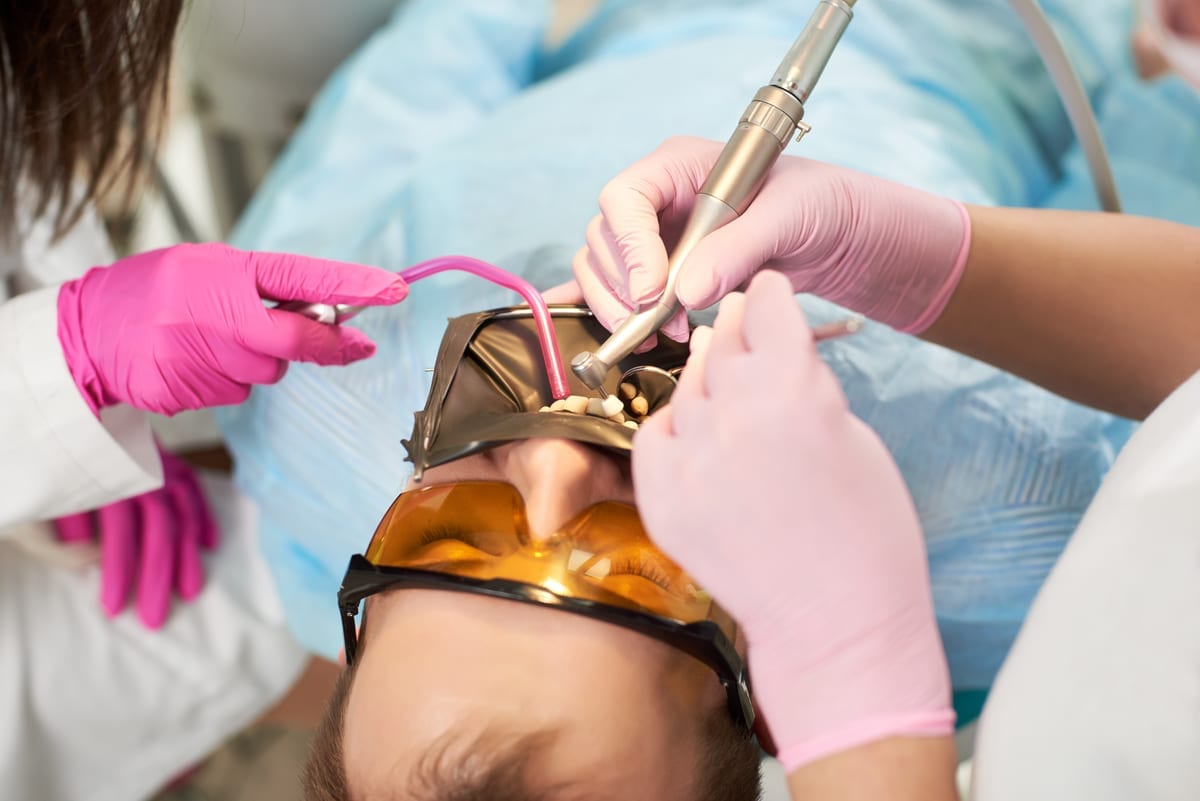
Many patients in Upland leave their root canal appointment feeling relieved. The pain is gone, and the infection is treated. But here is the important truth: your tooth is not fully protected yet. Understanding why your root canal isn’t complete without a crown in Upland could save your tooth from cracking, reinfection, or total loss.
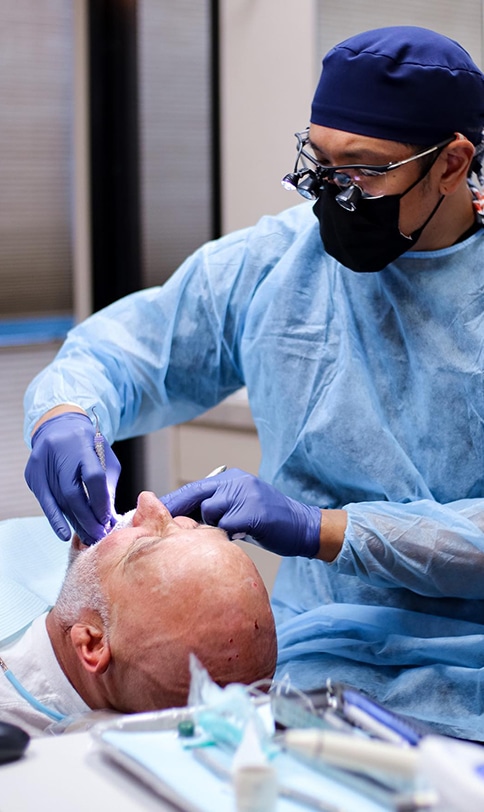
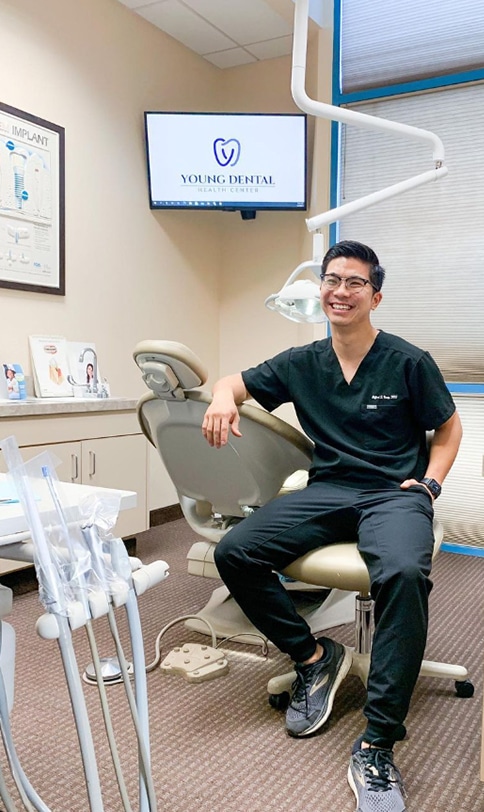
At Young Dental Health Center Upland, Dr. Clifford Young guides every patient through each step of treatment. That includes the critical follow-up appointment to place a dental crown. This article explains why that step matters more than most patients realize.
What Happens to Your Tooth After a Root Canal
During a root canal, Dr. Young removes the infected pulp from inside your tooth. The canals are cleaned, shaped, and sealed. This process eliminates the source of pain and stops the infection from spreading.
However, removing the pulp changes the structure of the tooth. The tooth loses its internal moisture source. Over time, it becomes more brittle and vulnerable to fracture.
Think of it like a dried-out branch versus a living one. A living branch bends under pressure. A dry branch snaps. Your treated tooth behaves the same way without the right protection in place.
A temporary filling is placed after the root canal. This is not a permanent solution. It is simply a placeholder while your crown is being made. Without a crown, your tooth remains at serious risk every single day.
Why Your Root Canal Isn’t Complete Without a Crown in Upland
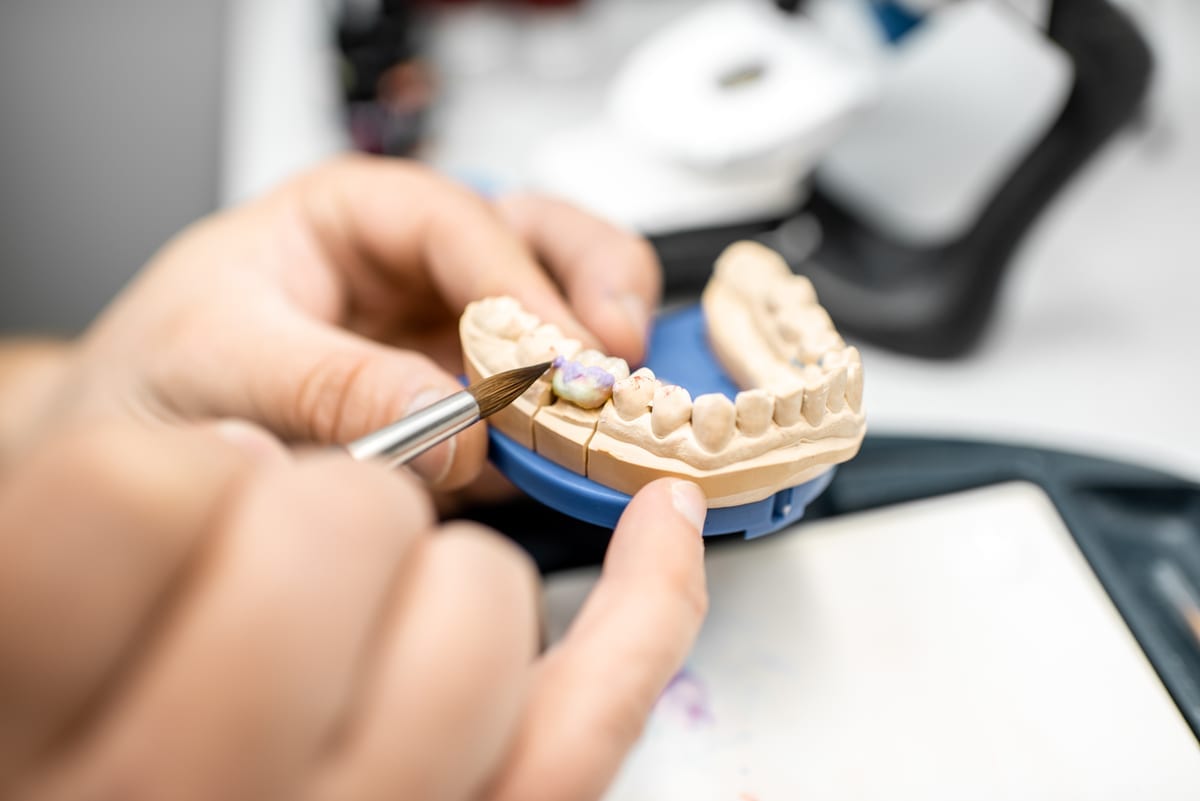
A dental crown covers the entire visible surface of your tooth. It acts as a protective shell that absorbs biting forces. This protection is essential after a root canal because the tooth structure is already weakened.
Here are the key reasons a crown is necessary after root canal treatment:
- Fracture prevention: A crown holds the tooth together under chewing pressure.
- Sealing the tooth: It creates a tight seal that blocks bacteria from re-entering the canals.
- Restoring function: You can chew normally without fear of breaking the tooth.
- Protecting your investment: A root canal is a significant treatment — a crown ensures it lasts.
- Preserving the natural tooth: A crown helps you keep your own tooth rather than needing an extraction later.
Skipping the crown is one of the most common reasons root canal treatments eventually fail. Dr. Young and the team at Young Dental Health Center Upland always recommend completing treatment with a crown as soon as possible.
What Happens If You Skip the Crown
Some patients delay or avoid placing a crown after their root canal. This decision often leads to serious consequences. Understanding the risks can help you make an informed choice about your oral health.
Without a crown, the treated tooth is exposed to daily chewing forces. It can crack vertically, which is one of the most difficult dental injuries to repair. A vertical crack often means the tooth cannot be saved at all.
Bacteria can also re-enter through the temporary filling over time. This can lead to a new infection inside a tooth that was already treated. In that case, you may need the root canal repeated — or worse, the tooth extracted entirely.
If you ever lose a tooth and need a replacement, the team at Young Dental Health Center Upland offers Cosmetic Dentistry Upland services including options like dental implants and veneers to restore your smile. But preserving your natural tooth is always the first priority.
Pain is another concern. A cracked or reinfected tooth can become a dental emergency quickly. If you are ever in sudden pain, do not wait. Emergency Dentistry Upland at Young Dental Health Center is available to help you right away.
What the Crown Appointment Involves at Young Dental Health Center Upland
Once your root canal is complete, scheduling your crown appointment promptly is the smart next step. Most patients need two visits to complete the crown process. Here is what you can expect:
- Consultation and preparation: Dr. Young examines the tooth and confirms it has healed properly. The tooth is gently shaped to create a stable base for the crown.
- Impressions or digital scan: An impression or digital scan of your tooth is taken. This ensures your crown fits perfectly with your bite and surrounding teeth.
- Temporary crown placement: A temporary crown protects your tooth while the permanent crown is crafted. You wear this for approximately two weeks.
- Permanent crown placement: Your custom crown is bonded securely to your tooth. Dr. Young checks your bite and makes any necessary adjustments.
- Final review: You leave with a fully restored, protected tooth that looks and feels natural.
The entire process is straightforward and comfortable. Dr. Young uses high-quality materials to ensure your crown is both durable and natural-looking. Most patients are pleasantly surprised by how easy the appointments feel.
How Long Will a Crown After a Root Canal Last
A well-placed crown on a properly treated tooth can last 10 to 15 years or longer. Its lifespan depends on your oral hygiene habits and how well you care for it at home. Daily brushing, flossing, and regular dental checkups all play a role.
Avoid habits that put excessive pressure on your crown. Chewing ice, grinding your teeth, or biting hard objects can shorten its life. If you grind your teeth at night, Dr. Young may recommend a night guard to protect your crown.
Routine checkups at Young Dental Health Center Upland allow the team to monitor your crown over time. Early detection of any wear or loosening means problems can be addressed before they become serious. Consistent care truly makes a difference in how long your restoration lasts.
Conclusion: Protect Your Tooth and Your Health
A root canal removes the infection, but a dental crown completes the treatment. Without the crown, your tooth remains fragile and vulnerable to damage or reinfection. Dr. Clifford Young and the team at Young Dental Health Center Upland are here to help you every step of the way. Book Now to schedule your appointment with our team.
Frequently Asked Questions
How soon should I get a crown after a root canal?
You should schedule your crown appointment as soon as possible after your root canal is complete. Most dentists recommend placing the permanent crown within a few weeks. Waiting too long increases the risk of the temporary filling breaking down or the tooth cracking.
Can I keep my tooth without a crown after a root canal?
Technically, you can, but it is strongly discouraged. Without a crown, the treated tooth is brittle and prone to fracture. A cracked tooth after a root canal often cannot be saved, leading to extraction. A crown is the safest way to protect your investment.
Does getting a crown hurt?
No, the crown placement process is typically painless. Dr. Young uses local anesthesia during the tooth preparation stage to keep you comfortable. Most patients find the appointment very manageable and leave feeling confident about their restored tooth.
What material is used for crowns at Young Dental Health Center Upland?
Dr. Young uses high-quality materials including porcelain and ceramic options that closely match the natural look of your teeth. The best material for you depends on the location of the tooth and your individual needs. Dr. Young will discuss all options with you during your consultation.
What happens if my crown falls off or cracks?
If your crown becomes loose, falls off, or cracks, contact Young Dental Health Center Upland right away. A damaged crown leaves your tooth vulnerable to bacteria and injury. Prompt attention ensures your tooth stays protected and your root canal treatment remains successful.